Κυριακή 21 Σεπτεμβρίου 2014

Difficulty swallowing. Dysphagia


Difficulty in swallowing also known as dysphagia is the disruption of the normal process of the transfer of food and liquids from the mouth to the stomach.

Often, dysphagia makes it difficult to obtain enough calories and  fluids to the body and can lead to serious medical problems (dehydration and weight loss)
.

Other symptoms that may accompany dysphagia:

  • Cough  
  • Hoarseness 
  • Reflux of gastric fluids
  • Weight Loss 
  • Pneumonia due  to aspiration
  • Dehydration
Causes of dysphagia:


Neurological disorders.
Certain disorders, such as post-polio syndrome, multiple sclerosis, muscular dystrophy and Parkinson's disease, may first be noticed because of oropharyngeal dysphagia.
Neurological damage. Sudden neurological damage, such as from a stroke or brain or spinal cord injury, can cause difficulty swallowing or an inability to swallow.


Pharyngeal diverticula. A small pouch forms and collects food particles in your throat, often just above your esophagus, leading to difficulty swallowing, gurgling sounds, bad breath, and repeated throat clearing or coughing.
Cancer. Certain cancers and some cancer treatments, such as radiation, can cause difficulty swallowing.

Oesophageal disorders:

  • Obstruction of foreign body
  • Esophageal Stenosis
  • Cancer of the esophagus
  • Esophageal Achalasia
  • Gastro-oesophageal reflux disease

Treatment

Treatment usually depends on the cause and type of dysphagia. The type of dysphagia will be clarified after the clinical and laboratory testing with endoscopy, an X-ray with a contrast material (barium X-ray) and a dynamic swallowing study if necessary.

Conservative treatments include: 
  • Change in eating habits
  • Drinking fluids
  • Medication for gastro-oesophageal reflux 
  • Exercises for sawallowing 
Surgical Methods 

Esophageal dilation. For a tight esophageal sphincter (achalasia) or an esophageal stricture, your doctor may use an endoscope with a special balloon attached to gently stretch and expand the width of your esophagus or pass a flexible tube or tubes to stretch the esophagus (dilatation).
Surgery. For an esophageal tumor, achalasia or pharyngeal diverticula, you may need surgery to clear your esophageal path.
Feeding tube.

Complications 
  • Chronic dry cough 
  • Aspiration pneumonia 
  • Significant Weight Loss
  • Dehydration

Vocal cord nodules


Vocal cord nodules are benign (noncancerous) growths on both vocal cords that are caused by vocal abuse. They are also known as "singers' nodules".


Over time, repeated abuse of the vocal cords results in soft, swollen spots on each vocal cord. These spots develop into harder, callous-like growths called nodules. The nodules will become larger and stiffer the longer the vocal abuse continues.

A change in voice quality and persistent hoarseness are often the first warning signs of a vocal cord lesion.

Other symptoms can include:
  • Vocal fatigue 
  • Unreliable voice 
  • Delayed voice initiation
  • Low, gravelly voice
  • Low pitch
  • Voice breaks in first passages of sentences
  • Airy or breathy voice 
  • Inability to sing in high, soft voice
  • Increased effort to speak or sing
  • Hoarse and rough voice quality
  • Frequent throat clearing
  • Extra force needed for voice
Treatment

The most common treatment options for benign vocal cord lesions include: voice rest, voice therapy, singing voice therapy, and phonomicrosurgery, a type of surgery involving the use of microsurgical techniques and instruments to treat abnormalities on the vocal cord.

Treatment options can vary according to the degree of voice limitation and the exact voice demands of the patient. For example, if a professional singer develops benign vocal cord lesions and undergoes voice therapy, which improves speaking but not singing voice, then surgery might be considered to restore singing voice. 

Successful and appropriate treatment is highly individual and includes consideration of the patient’s vocal needs and the clinical judgment of the otolaryngologist.

Hoarseness


Hoarseness refers to a difficulty making sounds when trying to speak. Vocal sounds may be weak, breathy, scratchy, or husky, and the pitch or quality of the voice may change.

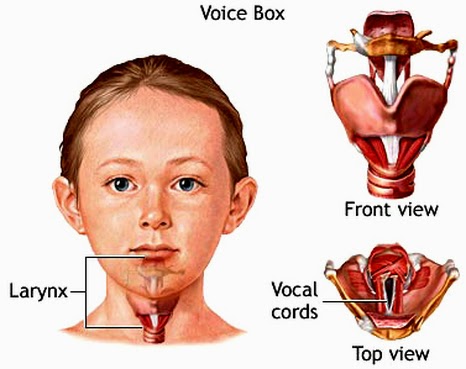
Hoarseness is most often caused by a problem with the vocal cords, which are part of the voice box (larynx) in the throat. When the vocal cords become inflamed or infected, they swell. This can cause hoarseness.

The most common cause of hoarseness:


  • Acute laryngitis 
  • Infections of the upper respiratory 
  • Severe cough 
  • Vocal cord nodules 
  • Vocal cord polyps 
  • Reinke edema 
  • Laryngopharyngeal reflux 
  • Smoking 
  • Allergies
Less common causes are:
  • Malignant and benign tumors of the larynx 
  • Malignancies of the lung, esophagus, or thyroid 
  • Wounds and injuries 
  • Hypothyroidism 
  • Neurological diseases 
  • Age 
  • Myasthenia gravis
Consult you Otorhinolaryngologist if:
  • You have trouble breathing or swallowing
  • Hoarseness occurs with drooling, especially in a small child
  • Hoarseness has lasted for more than 1 week in a child, or 2-3 weeks in an adult
  • It's associated with coughing up blood
  • It's associated with a lump in the neck


Diagnosis:

The ENT surgeon will conduct a mirror examination of the throat  and a laryngeal endoscopy examination.

Things to do at home to help relieve the problem include:
  • Talk only when necessary, until hoarseness goes away.
  • Drink plenty of fluids to help keep the airways moist. (Gargling does not help.)
  • Use a vaporizer to add moisture to the air.
  • Avoid actions that strain the vocal cords such as whispering, shouting, crying, and singing.
  • Take medicines to reduce stomach acid if hoarseness is due to gastroesophageal reflux disease (GERD).
  • Do NOT use decongestants which can dry out the vocal cords.
  • If you smoke, cut down or stop at least until hoarseness goes away.

Other treatments may include voice therapy or surgical removal of laryngeal polyps or nodes if deemed necessary by the ENT surgeon.

Cough

A cough is an action the body takes to get rid of substances that are irritating to the air passages, which carry the air a person breathes in from the nose and mouth to the lungs. A cough occurs when cells along the air passages get irritated and trigger a chain of events. The result is air in the lungs is forced out under high pressure. A person can choose to cough (a voluntary process), or the body may cough on its own (an involuntary process).


Causes of Coughs
  • Allergy and asthma 
  • Sinusitis with postnasal drip 
  • Laryngitis. Aside from coughing, laryngitis accompanied by voice alteration, hoarseness, throat constriction and difficulty breathing. 
  • Pneumonia, acute bronchitis and other lung infections such as tuberculosis, pertussis 
  • Chronic obstructive lung disease, chronic bronchitis and emphysema, in which the main culprit is smoking 
  • Gastroesophageal reflux disease is characterized by the return fluid and contents from the stomach back into the esophagus. Due to failure of the lower esophageal sphincter. This condition causes dry cough, heartburn, bad smelling breath, difficulty swallowing. 
  • Heart failure, congestive type 
  • Lung cancer 
  • Pulmonary embolism 
  • Cystic fibrosis.
Consult a doctor if: 
  • Coughing up blood. 
  • Cough is associated with intense wheezing. 
  • Difficulty in breathing
  • Cough is associated with a fever and sputum production.
  • Cough fails to get better after other symptoms go away or lessen.
  • Cough changes in character.
  • Cough is associated with chest pain.
  • Accompanying weight loss.
For a quick recovery 
  • Stop smoking
  • Drink lots of water and fluids.
  • Treatment to reduce acid reflux in GERD
  • Lots of rest

Facial nerve Paralysis


Facial nerve Paralysis


Facial paralysis occurs when a person is no longer able to move some or all of the muscles on one side of the face. The facial nerve is the main nerve that innervates the muscles of the face and therefore enables facial expression.

Facial paralysis is almost always caused by:
  • Damage or swelling of the facial nerve, which carries signals from the brain to the muscles of the face
  • Damage to the area of the brain that sends signals to the muscles of the face
Fortunately, 85% of facial palsy is due to idiopathic palsy (Bell's Palsy). The etiology remains unclear although viral infections have been implicated and it occurs more frequently in pregnant women. The diagnosis of idiopathic paralysis is made by excluding all other causes. Healing occurs automatically within 6 months and usually no neurological signs remain.

Permanent paralysis is primarily due to:
  • Injuries and fractures of the temporal bone
  • Large facial traumas
  • Tumors (neurofibromas, cholesteatomas, brain tumors, tumors  of the parotid gland, etc.) 
  • Autoimmune diseases
  • Metabolic diseases
Symptoms

  • Sudden weakness or paralysis on one side of the face that causes it to droop. This is the main symptom. 
  • It may make it hard for you to close the eye on that side of the face.
  • Drooling.
  • Eye problems, such as excessive tearing or a dry eye.
  • Loss of ability to taste.
  • Pain in or behind the ear.
  • Numbness in the affected side of the face.
  • Increased sensitivity to sound.
Treatment

For treatment to be effective it should be started immediately or at the latest within the first three days of symptoms. Treatment includes medication and physical therapy. The medication consists of antibiotics and cortisone. Antibiotics to fight infection and cortisone to reduce the swelling of the nerve and thus the depressurisation. Supplemental vitamins administered to the patient, especially B complex to strengthen the nerve and eye drops to protect the corneas.

Clinical studies also show that acupuncture is at least as effective as corticosteroids and may improve the recovery of patients with palsy Bell, either as monotherapy or in combination with medication.

Voice Care/Vocal Hygeine

Vocal Hygeine


Careers that depend on a person’s use of their voice, may include: a teacher, attorney, corporate trainer or an entertainer.

For a professional voice user, it is of the utmost importance to take good care of the voice. The following are some helpful hints to help maintain good vocal hygiene:

1. Hydration
It cannot be overemphasized how important it is to maintain good water intake. 6 to 8 eight glasses of water a day, are recommended to maintain adequate hydration. Good water intake helps keep the lubricating mucus on the vocal cords thin, creating the ideal environment for the vocal cords to work.

2. Thick Mucus
Increasing water intake, as outlined above, will frequently help take care of problems with thick mucous. Despite these measures, some people continue to have the sensation of thick mucous in their throat or on their vocal cords. In many instances, this is due to backflow of stomach acid into the throat - so called gastroesophageal reflux disease, or GERD.

3. Throat Clearing
This is a common problem with many professional voice users. It is often seen in people with excessive mucous or GERD (reflux disease). Throat clearing is extremely traumatic to the vocal cords, leading to excessive wear and tear. The following strategies are helpful to avoid this: swallowing, a sip of water, or silent clearing of the throat without allowing the vocal cords to touch.

4. Gastroesophageal Reflux Disease (GERD)
Although the reflux of stomach contents into the esophagus and throat commonly leads to heartburn, many patients never experience this symptom. Treatment of this condition involves changes in diet and lifestyle, as well as medications to reduce the acid production from the stomach.

5. Vocal Abuse/Overuse

It has been said, "everything in moderation". Avoiding lengthy conversations on the phone and resting the voice for ten minutes every 2-3 hours will go a long way towards easing the strain on the voice.
Talking at a low to moderate volume; this will sometimes mean using different strategies when there is excessive background noise (cars, parties, airplanes, restaurants).
Shouting and screaming should be avoided. There are much better ways to get people's attention, and these methods will not traumatize the vocal cords as screaming will. Examples would include using a whistle or the clapping of hands.
Needless to say, smoking is one of the worst things for the voice. Irritation to the vocal cords from cigarette smoke can lead to chronic laryngitis, vocal cord polyps, or cancer of the larynx.

6. Drugs that Affect the Voice

Antihistamines/Decongestants: These drugs are commonly found in cold preparations and allergy medications. They will result in a drying effect on the vocal cords which is detrimental. Other medications that cause the drying of the vocal cords are all diuretics and local anesthetics.

7. Work Environment
Smoke filled and dusty environments should be avoided. Traveling to dry environments may also cause voice problems. It is best to keep a humidifier on at night, and to maintain good water intake. Airplanes are also notoriously dry environments.

Πέμπτη 18 Σεπτεμβρίου 2014

Cancer of the Mouth

Oropharyngeal Carcinoma

The harmful effects of smoking are well-established and is confirmed daily as new statistics come to light.

As is known smoking is implicated in the cancer of the larynx, oropharynx, esophagus, causing 50-75% mortality. They 
usually occur after the age of 40 years.

The majority of these cancers of the mouth and throat are caused by smoking, alcohol abuse, or both. 

Other factors that substantially increase the risk of cancer of the mouth:
  • Immunodeficiency 
  • Malnutrition 
  • Poor oral hygiene 
  • Shoddy dentures that do not fit well 
  • Excessive exposure to ultraviolet radiation from the sun that is responsible for causing cancer especially of the lips 
  • Occupational exposure to toxins
  • Viral Infections 
Signs and Symptoms:
  • Sore mouth that does not heal or that bleeds easily 
  • White or red lesions in the mouth that do not heal 
  • Presence of a lump or bulge
  • Pain in mouth,  throat,tongue 
  • Difficulty chewing or swallowing 
  • Loss of teeth 
The sooner these symptoms and lesions are evaluated by an ear-nose and throat surgeon the greater the chance of  a successful therapy.
.
The survival rates of patients with cancer of the mouth or throat decreases dramatically once there are metastatic lesions.

Treatment
Oropharynx: Treatment options depend on the stage and aggressiveness of the disease, the location of the tumor and the general health of the patient. Treatment options include surgery, radiotherapy and chemotherapy.

Hypopharynx: Treatment options depend on the stage of disease, to preserve as much as possible the patient's ability to speak, eat and breath, and the general health of the patient. The treatment options include surgery, radiotherapy, chemotherapy.

Smoking cessation is the ultimate preventitive method, as it significantly reduces the risk of cancer, heart disease and lung disease, regardless of age.